The West End is Booming and Someone Has to Build It
The West End is Booming and Someone Has to Build It
Last year, more than 37 million people attended theatres across the UK. The West End alone welcomed 17.64 million of them, a record that puts London comfortably ahead of Broadway and one that few would have predicted with confidence even five years ago. The 2026 season has done nothing to suggest the appetite is fading. Productions of real scale and technical ambition are filling the calendar, with the demand on every part of the supply chain behind them growing accordingly.
What rarely gets discussed is everything that has to happen before a single performer walks out under the lights.
The numbers behind the curtain
The Society of London Theatre and UK Theatre published a report in March that confirmed what those in the industry already felt. Demand for live performance has never been higher, yet the financial model sustaining it is under considerable pressure. More than a third of theatres are forecasting an operating deficit this year, with that figure rising sharply among subsidised venues. Productions are working with tighter budgets and shorter lead times while audiences expect the same scale and finish they have always received.
For the companies involved in physical production, that tension is not abstract. It shows up in project timelines, in material costs, in the conversations that happen weeks before a production is publicly announced.
The work that starts before rehearsals do
Set construction does not begin when a show goes into rehearsal. By that point, a significant portion of the work is already underway. Design technology teams are translating a designer’s vision into something that can actually be built, engineered and installed within a venue’s specific constraints. Structural decisions are being made, materials are being sourced, fabrication schedules are being locked in, all while the creative process for the production is still evolving.
The coordination required across the various disciplines involved is considerable, and the margin for error at any stage is narrow. A set that arrives late or fails a structural check does not just inconvenience a production team. It puts the opening night at risk.
Thirty years of building what audiences remember
Scott Fleary was founded in 1993 by Matt Scott and Ken Fleary, both with theatre backgrounds and a clear sense of what they wanted to build. The company has grown well beyond its theatrical origins, working across television, live events, news studios and retail environments. The client list spans some of the most recognisable names in British broadcasting and the performing arts.
Theatre, though, remains close to the company’s identity. There is something particular about the demands it places on a construction team, the combination of visual ambition and structural precision, with the knowledge that hundreds of people every night will be sitting close enough to notice everything.
Why physical craft still wins
The conversation around virtual production and AI-generated environments is genuinely interesting, and the technology is developing quickly. For certain types of television production, digital sets have clear advantages in terms of flexibility and turnaround. On a theatre stage, however, the equation looks quite different.
Audiences in a live space respond to material reality in ways that a screen cannot replicate. A craftsman who has spent years understanding how timber behaves, or how paint can be layered to age a surface convincingly, is bringing something to a production that cannot be generated from a prompt. The skill involved in high-end scenery construction is specific, accumulated over time and genuinely difficult to replace.
The challenge of doing more with less
The financial pressures the industry is navigating directly affect how productions are resourced. Budgets that might once have allowed for a more generous timeline now require closer problem-solving from the outset, putting a premium on experience and on the kind of judgment that allows a team to find a workable solution without compromising the result a designer is after.
It also means the relationship between a production and its construction partner matters more than it once did. Trust built over multiple projects, and an understanding of how each party works and what they need, become genuine operational advantages when timescales tighten and decisions have to be made quickly.
Built in London, seen by the world
London’s position in global theatre is unusual. The West End draws international visitors and transfers work to Broadway and beyond, while the subsidised sector continues to produce some of the most innovative stagecraft anywhere. That reach means the work done in workshops across the city reaches audiences who have travelled considerable distances to see it.
The craft that goes into a production’s physical world is rarely what gets written about, but it is part of what makes a show feel worth the journey.
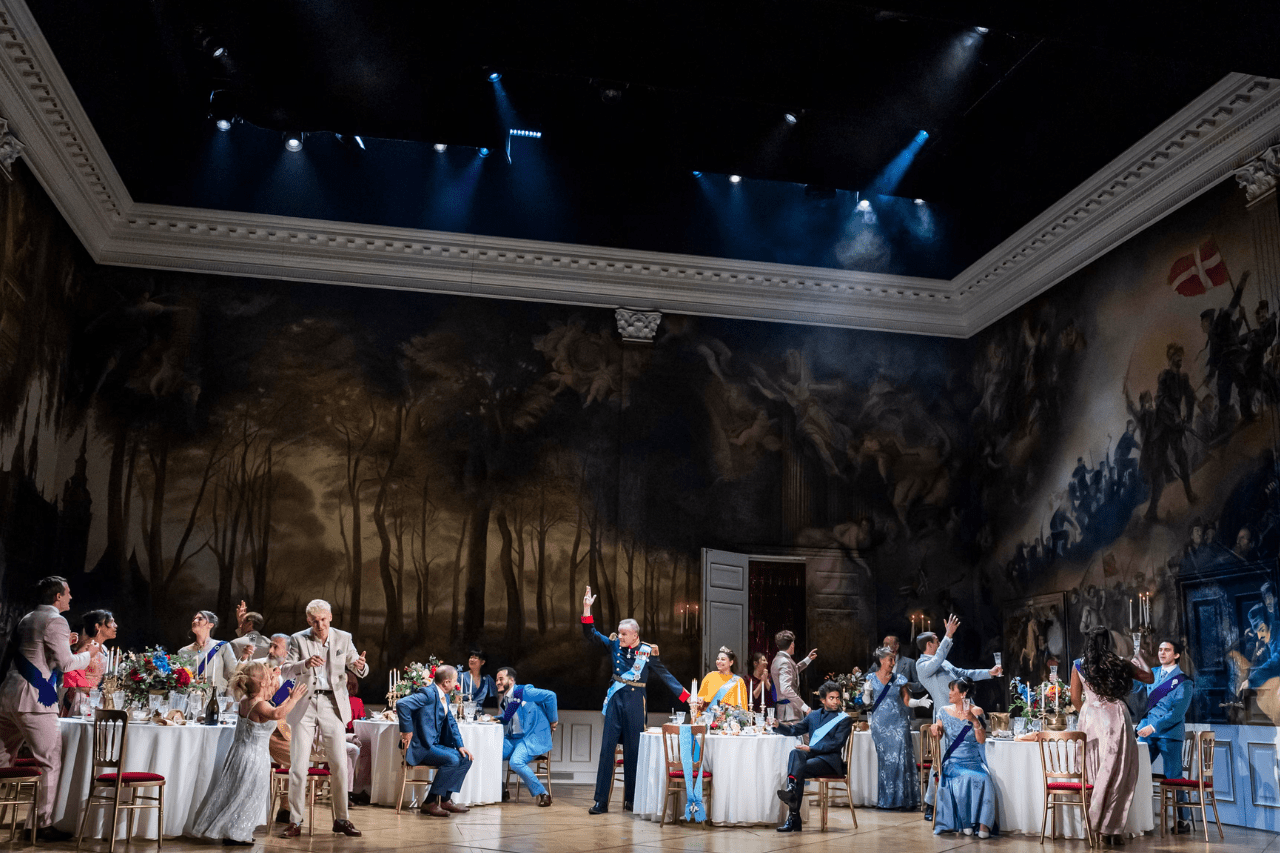
Check out what sets we have built in West End.
Still Have Questions?
Our friendly team is here to help you out.